


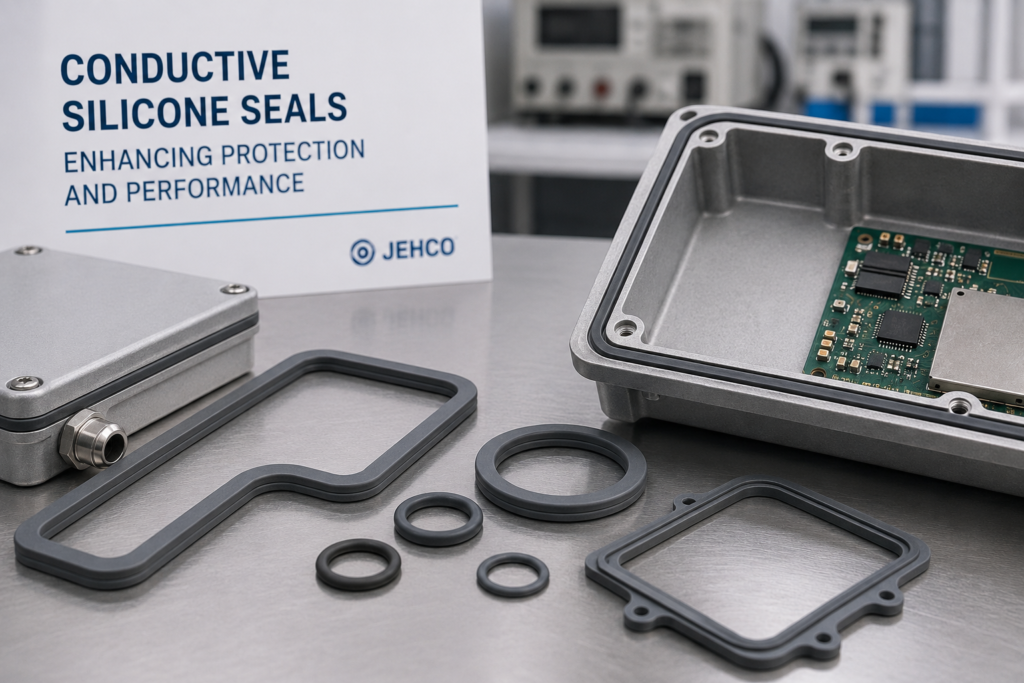
Conductive Silicone Seals: Enhancing Protection and Performance
As industries continue to adopt more advanced electronic systems, the demand for materials that provide both environmental sealing and electrical performance is growing rapidly. Conductive silicone seals have become an important solution across sectors such as electronics, automotive, telecommunications, aerospace, and industrial manufacturing.
These specialised seals combine the flexibility and durability of silicone rubber with conductive fillers such as carbon, nickel, or silver-coated particles. The result is a material capable of delivering reliable sealing performance while also assisting with electrical grounding and EMI/RFI shielding.
What Are Conductive Silicone Seals?
Conductive silicone seals are elastomeric components designed to protect sensitive equipment from environmental conditions and electromagnetic interference at the same time.
Unlike standard silicone seals, conductive silicone materials allow electrical conductivity across the surface, helping reduce electromagnetic interference (EMI) and radio frequency interference (RFI). This makes them highly valuable in applications where stable electronic performance is critical.
By combining sealing and conductivity in one material, manufacturers can simplify product designs and reduce the need for multiple components.
Key Benefits
EMI and RFI Shielding
One of the primary functions of conductive silicone seals is shielding sensitive electronics from electromagnetic interference. In modern equipment, unwanted electrical noise can affect performance, communication, and signal reliability.
Conductive silicone helps create a conductive barrier around enclosures and components, improving system stability and protecting sensitive electronics.
Excellent Environmental Resistance
Silicone rubber is known for its ability to withstand harsh environmental conditions. Conductive silicone seals maintain strong resistance to:
- Moisture and humidity
- UV and ozone exposure
- Weathering and ageing
- Mechanical stress and vibration
- Extreme temperatures
This makes them suitable for both indoor and outdoor applications.
Wide Temperature Range
Conductive silicone seals perform reliably across a broad temperature range, typically from -60°C to +200°C, with some grades tolerating intermittent exposure to higher temperatures.
The material remains flexible in cold environments while resisting cracking, hardening, and degradation over time.
Flame Retardant Options
For applications requiring enhanced fire safety, conductive silicone compounds can also be manufactured with flame-retardant properties.
These materials are designed to:
- Limit flame spread
- Self-extinguish once ignition is removed
- Produce lower smoke emissions
Depending on the application, materials can be formulated to meet standards such as UL 94 V0 and other industry-specific requirements.
Common Applications
Conductive silicone seals are used across many industries where both protection and electrical performance are required.
Electronics and Telecommunications
Used in enclosures, connectors, and communication equipment to minimise EMI and maintain signal integrity.
Automotive and Electric Vehicles
Commonly used in battery systems, charging units, and electronic control modules where heat resistance and shielding are essential.
Aerospace and Defence
Suitable for demanding environments requiring durability, reliability, and long-term performance.
Medical Equipment
Provides hygienic sealing while protecting sensitive electronics from interference.
Industrial Equipment
Used in control panels, instrumentation, and automation systems exposed to dust, moisture, and varying operating conditions.
Manufacturing Expertise at Jehbco
At Jehbco, conductive silicone seals are manufactured using precision extrusion and moulding processes combined with strict quality control systems.
Solutions can be customised to suit specific requirements, including:
- Extruded profiles
- Moulded gaskets and components
- Different hardness levels
- Various conductivity ratings
- Industry compliance requirements
This flexibility allows manufacturers to select sealing solutions that match the exact demands of their application.
Conclusion
Conductive silicone seals provide an effective combination of flexibility, durability, environmental protection, and electrical performance. Their ability to deliver reliable EMI shielding while maintaining strong sealing properties makes them an essential material in many modern industries.
As electronic systems continue to evolve, Jehbco’s conductive silicone solutions will remain critical in supporting safety, reliability, and long-term equipment performance.
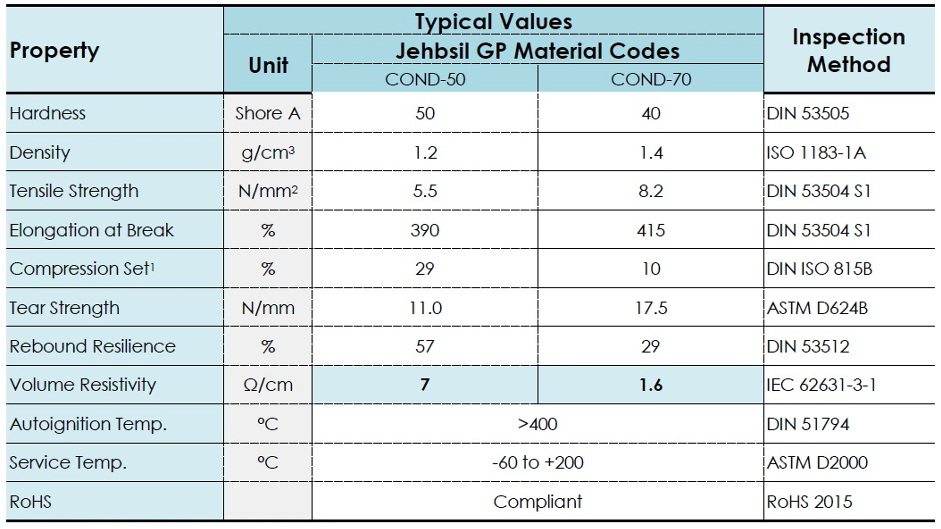
Electrically Conductive Silicone